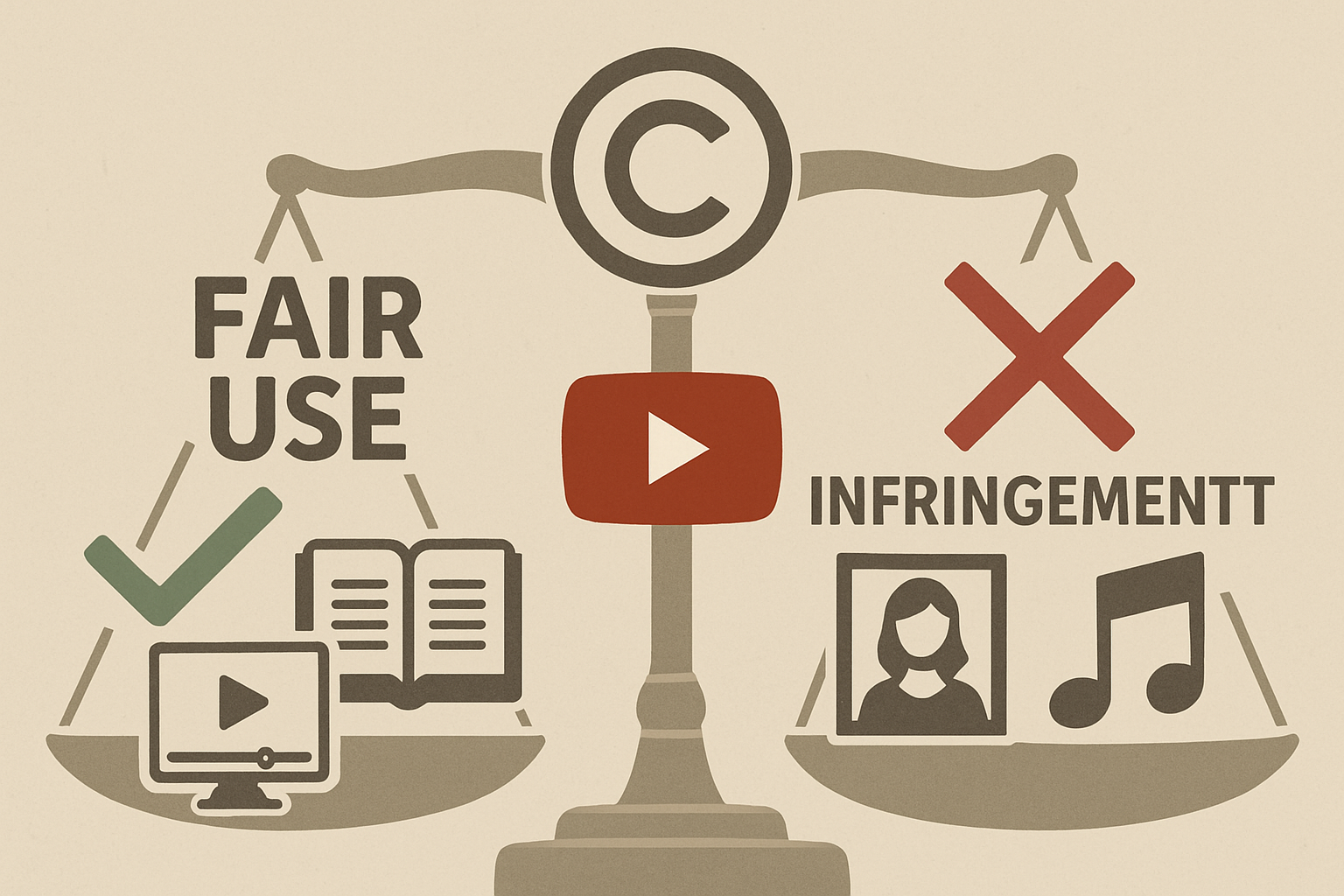
The question of youtube thumbnail copyright comes up constantly among creators, researchers, and designers. Is it legal to download YouTube thumbnails? Can you reuse them? What does “fair use” cover? This guide covers the legal landscape around YouTube thumbnails in 2026 — with the practical nuance creators actually need.
Key Takeaways
- YouTube thumbnails are copyrighted — they’re original creative works owned by the creator or rights holder
- Downloading a thumbnail for personal use or research is generally accepted, but commercial reuse without permission infringes copyright
- thumbnail fair use applies in specific contexts: commentary, criticism, education, and parody — but it’s a defense, not a permission
- Reusing someone else’s thumbnail to represent your own content is not fair use and constitutes misrepresentation
- is it legal to download youtube thumbnails for personal reference? Generally yes. For commercial use without permission? No.
Who Owns a YouTube Thumbnail?
Copyright in a YouTube thumbnail typically belongs to:
The video creator: If the creator made the thumbnail themselves (photographed themselves, designed it, composed the image), they own the copyright. This is the most common case.
A third party: If the thumbnail uses licensed stock photos, screenshots from a film, artwork from another creator, or other copyrighted material, rights may be more complex. The thumbnail creator still owns their specific creative expression, but not necessarily all elements within it.
A company or employer: If the thumbnail was created as work-for-hire (e.g., by a video production company or employee), the company may own the copyright rather than the individual creator.
YouTube’s Terms of Service also grant YouTube a license to display and distribute thumbnails — this doesn’t transfer ownership but does allow YouTube to show the thumbnail across its platform and partners.
Is Downloading a Thumbnail Illegal?
Downloading a thumbnail for personal use falls into the “generally not an issue in practice” category, but this varies by jurisdiction:
In the US: Downloading copyrighted material for personal, non-commercial use is a legal gray area. While technically a copy of a copyrighted work is made, rights holders almost never pursue individual users for personal saves.
In practice: YouTube’s CDN makes thumbnails publicly accessible at predictable URLs. Tools that access these URLs — including the YouTube Thumbnail Downloader — simply retrieve the publicly available image. No circumvention of technical protection measures is involved.
The key caveat: Downloading is one thing. What you do with the downloaded thumbnail is what matters legally.
What You Can Generally Do With a Downloaded Thumbnail
Personal reference and research: Saving thumbnails to study design, analyze competitor strategies, or build a reference library for your own creative work falls squarely within acceptable personal use. This is what most people use thumbnail downloaders for.
Commentary and criticism: Using a thumbnail in a video essay, blog post, or article that comments on or critiques the specific content is the clearest application of fair use. Courts and copyright offices have consistently recognized commentary use.
Education: Using a thumbnail as an example in an educational context (teaching thumbnail design, studying YouTube marketing) is supported by fair use doctrine in most jurisdictions.
News reporting: Using a thumbnail as part of reporting on news related to the video or channel is generally protected.
reuse youtube thumbnail: What to Avoid
Passing it off as your own: Using another creator’s thumbnail as your own video’s thumbnail — even with minor modifications — is copyright infringement and violates YouTube’s Community Guidelines on misleading content. YouTube will remove content and may strike the channel.
Commercial use without permission: Including another creator’s thumbnail in a for-sale product, advertising, or commercial publication without permission infringes copyright regardless of fair use arguments.
Misleading viewers: Using a thumbnail from one channel on a different channel to mislead viewers about the content source violates YouTube’s policies and may constitute trademark infringement if the original channel is recognizable as a brand.
Derivative works without permission: Creating a new design that substantially incorporates another creator’s thumbnail (using their photo, their specific composition, etc.) without permission can constitute infringement.
thumbnail fair use: The Four-Factor Test
In the US, fair use is determined by four factors weighed together:
- Purpose and character of the use: Transformative uses (commentary, parody, criticism) favor fair use. Commercial reproduction does not.
- Nature of the copyrighted work: Factual works get less copyright protection than creative works. Thumbnails are creative works.
- Amount taken: Using a thumbnail in full is different from using a portion as a reference.
- Effect on the market: Does your use harm the market for the original? Replacing the need for the original hurts the rights holder.
Fair use is not a permission — it’s a legal defense you can raise after being sued. Don’t rely on it for anything other than clear commentary or educational use.
The Practical Reality in 2026
YouTube thumbnail copyright disputes are rare at the individual creator level. Most disputes arise between:
- Competing commercial channels stealing thumbnails
- Businesses using creator images in advertising without permission
- Large-scale scraping or republication
Individual creators downloading thumbnails for design research, inspiration, or archiving virtually never face legal action. The important line is between downloading (low risk) and publishing as your own (clear infringement).
YouTube’s Own Platform Rules
Beyond copyright law, YouTube’s Terms of Service and Community Guidelines add platform-level restrictions:
- Using thumbnails that “mislead viewers about the video’s content” violates YouTube policies
- Impersonating other creators with their thumbnails violates impersonation policies
- YouTube can remove content and terminate channels for thumbnail policy violations, independent of legal copyright claims
Conclusion
YouTube thumbnail copyright is real — thumbnails are protected creative works. Downloading for personal use, research, commentary, or design inspiration is generally fine. Reusing someone else’s thumbnail as your own, in advertising, or in commercial contexts without permission is infringement. The YouTube Thumbnail Downloader is a tool for accessing publicly available CDN content — what you do with it is your responsibility.
For more practical guides on downloading and working with thumbnails, see 10 Best YouTube Thumbnail Downloaders Compared and How to Download YouTube Thumbnails.
For authoritative guidance on US fair use law, the US Copyright Office Fair Use overview is the definitive reference.